

Vitamin C and SPF
The morning pairing your skin has been asking for.
If there are two things we talk about more than anything else at The Follicle Spa, they are vitamin C serum and SPF.
Not because they are trending. Not because they are new. After decades of caring for skin in Burlington, these two ingredients remain the most consistently effective choices a person can make every single morning. The science behind them is solid. The results our clients experience over time are real.
As the days grow longer and the sun grows stronger, Spring is exactly the right time to make sure both are part of your daily routine. This post covers what each ingredient does on its own, what they accomplish together, and how to build the simplest, most reliable morning skincare routine around them.
What Vitamin C Serum Does for Your Skin
Vitamin C is an antioxidant. That word is often used in skincare, and it is worth understanding what it actually means.
Every day, your skin is exposed to UV radiation, pollution, and environmental stress. These exposures generate free radicals: unstable molecules that cause oxidative stress at the cellular level. Over time, unaddressed oxidative stress contributes to dullness, uneven skin tone, changes in texture, and collagen breakdown. It is cumulative, quiet, and happening whether or not you are paying attention.
Vitamin C serum, applied each morning, works by neutralizing those free radicals before they cause lasting damage. It is not a corrective ingredient in the reactive sense. It is a protective one. The benefits accumulate steadily over months of consistent use.
Your skin cannot produce collagen without vitamin C. With daily use, you actively support its ability to stay firm, resilient, and healthy.
But vitamin C does something else that makes it genuinely essential: your skin cannot produce collagen without it.
Collagen synthesis, the process by which your skin builds and maintains its structural protein, requires vitamin C as a necessary cofactor. Without adequate vitamin C, that process is compromised. With consistent daily use, you actively support your skin’s ability to stay firm, resilient, and healthy over time. This is why we recommend it so often, and why it belongs at the very beginning of a thoughtful morning routine.
Choosing the Right Vitamin C Serum
Not all vitamin C formulations perform equally. When selecting a serum, look for:
- Concentration: L-ascorbic acid at 10-20% is the most widely studied and effective form.
- Stability: Vitamin C oxidizes quickly. Look for airless or opaque packaging and stabilizing ingredients like vitamin E and ferulic acid.
- Skin compatibility: Sensitive skin may do better with gentler derivatives like sodium ascorbyl phosphate.
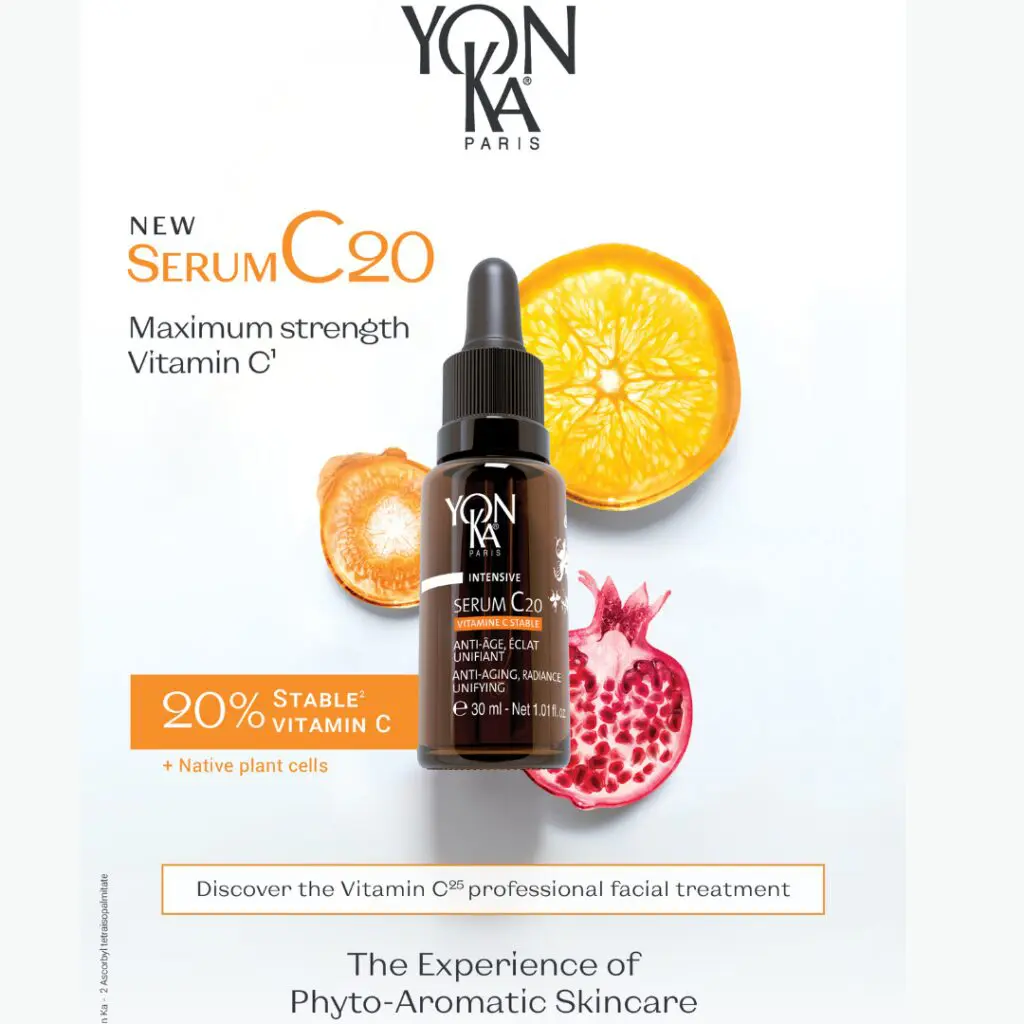
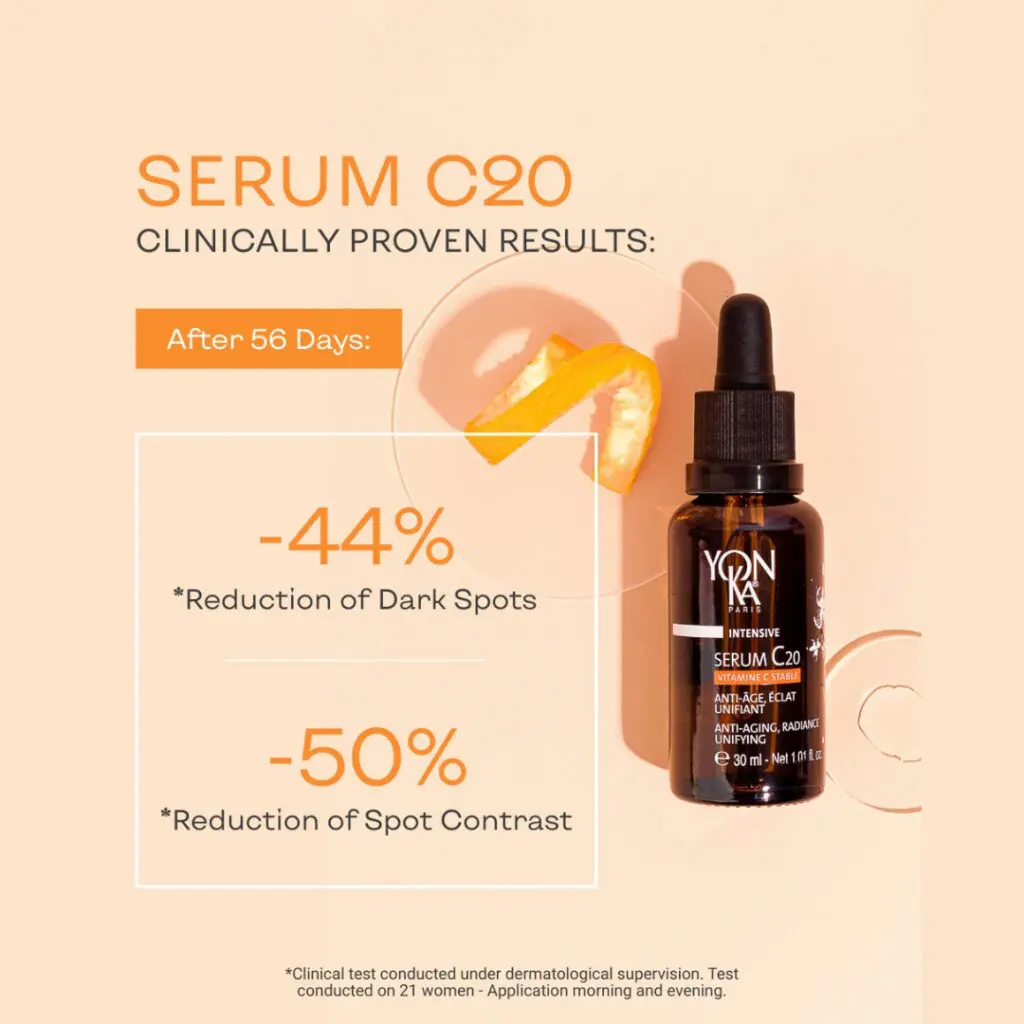
Our team carries a curated selection of professional-grade vitamin C serums from GM Collin and Yonka, chosen specifically for their stability and performance. If you are unsure which formula suits your skin, we are always happy to help you find the right fit.
What SPF Does for Your Skin (and Why Spring Changes Everything)
If vitamin C works at the cellular level, SPF works at the barrier level. Both are necessary.
Sunscreen creates a protective layer between your skin and UV radiation. UV is the single most significant external factor in collagen degradation. Daily exposure, even on overcast days, even incidentally through a window, breaks down existing collagen and disrupts your skin’s ability to produce new collagen. It is also the primary driver of uneven skin tone and cumulative texture changes that have far more to do with sun exposure than with age.
Spring matters here. The days are longer now. The sun is higher in the sky. Here in Burlington, many of us are spending more time outdoors, in cars, and near windows, absorbing more UV exposure than we did in January, often without noticing.
Daily SPF is not a summer habit. It is a year-round one, and spring is the season when it becomes especially important to revisit.
SPF protects everything you are working toward: every serum you apply, every professional treatment you invest in, every good skin decision you make. Without it, UV exposure quietly undermines much of that work. With it, your skin keeps what it has earned.
Finding an SPF You Will Actually Use Every Day
The most effective SPF is the one you reach for every morning without hesitation. A formula that feels light on your skin, sits well under makeup, and does not leave a cast is one you will use consistently. Consistency is what determines results.
If you have been skipping SPF because you have not found the right formula yet, come in and let us help you. There are excellent options available for every skin type, and the difference a well-chosen SPF makes over time is significant.
Why Vitamin C and SPF Work Better Together
Used together, vitamin C serum and SPF do something neither can fully accomplish alone.
No sunscreen absorbs or reflects 100% of UV radiation. Some gets through. Vitamin C is there to address what does, neutralizing the free radicals generated by that residual exposure before they compound the damage at the cellular level.
At the same time, vitamin C benefits from the protection SPF provides. UV radiation can destabilize topical vitamin C over the course of a day. SPF maintains the conditions that allow vitamin C to remain effective from morning until evening.
Each one makes the other more powerful. Together, they protect your collagen from two directions at once: blocking the primary cause of surface breakdown and supporting collagen synthesis from within.
SPF reduces the burden vitamin C has to manage. Vitamin C addresses the damage SPF cannot fully prevent. Two directions. One routine.
Your Simple Morning Skincare Routine
The routine that follows from this science is beautifully straightforward. Four steps. Five minutes. The most reliable foundation you can give your skin every morning:
- Cleanse. Remove overnight buildup and prepare your skin to absorb what follows.
- Vitamin C serum. Apply to clean skin. Allow a moment to absorb fully.
- Moisturize. Lock in hydration and support your skin barrier.
- SPF. Apply over moisturizer as your final protective step. Every morning, without exception.
Consistency is where the results live with both of these ingredients. One morning will not shift your skin. Six months of this routine will, and the changes will build quietly in the best possible way.
Questions We Hear Often
Can I use vitamin C and retinol together?
Not in the same step. Vitamin C belongs in your morning routine; retinol belongs at night. Using them at different times of day lets each ingredient perform at its best without interfering with the other.
What SPF level do you recommend for daily use?
SPF 30 is the minimum for daily protection, and SPF 50 is what we most often recommend for clients who spend regular time outdoors or near windows. Broad-spectrum coverage (both UVA and UVB) is non-negotiable.
How long before I see results from vitamin C?
Most clients notice initial brightening within four to six weeks of consistent use. Deeper changes, including improvements in skin tone, texture, and firmness, typically build over three to six months. The longer you maintain the routine, the more the results compound.
Not sure which vitamin C or SPF is right for your skin? Our team is happy to help you find the right products from our in-spa collection. Visit our store or stop in and ask us in person.
Take It Further: Our Featured Vitamin C Facial
We are featuring our Vitamin C Facial this month for anyone curious about what professional-grade vitamin C can accomplish beyond what at-home products offer.
A professional treatment works differently from your daily serum. The formulations are more concentrated. Your skin is prepared through professional exfoliation and prep steps that allow deeper absorption. The technique and application are designed to deliver results that your daily serum builds toward but cannot fully replicate on its own.
Clients leave with visibly brighter, more even skin, and the treatment supports the same collagen-protecting goals you are working toward at home, only accelerated. It is the ideal complement to a strong morning routine.
If you have questions about the treatment or want to know whether it is right for your skin type, reach out. This is exactly the kind of conversation we have every day.
A Few Good Decisions Every Morning
Your skin is worth a few good decisions at the start of each day. Vitamin C serum and SPF are two of the most well-supported, most consistently rewarding choices you can make. Start with these, stay consistent, and let the results build.
Always learning, always glowing,
Lory
Ready to get started?